Rare Earth Magnet Scheme: Coal India, ReNew Among Four Firms Selected
Rare earth magnet scheme: Coal India, ReNew, Prozeal and Midwest Energy get LoIs under the ₹7,280 crore plan to build 6,000 tonnes of capacity.
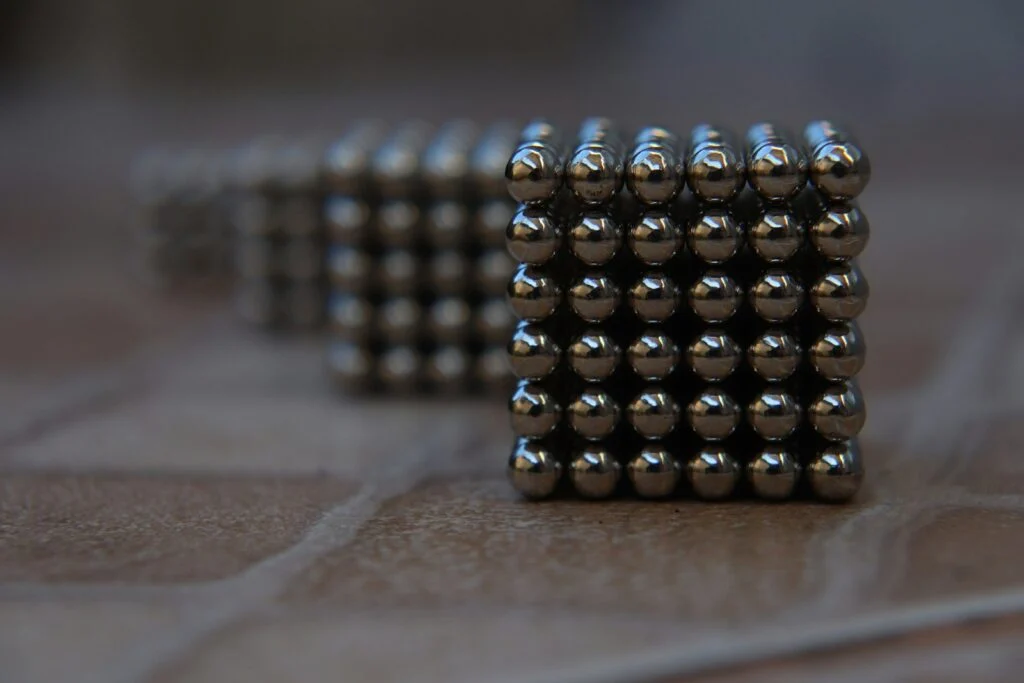
The Centre has picked four companies, including Coal India and ReNew, under its ₹7,280 crore rare earth magnet scheme, a step meant to cut India’s heavy dependence on imported magnets used in electric vehicles.
Union Heavy Industries Minister H D Kumaraswamy handed over letters of intent (LoIs) on November 19 to Coal India Ltd, Prozeal Green Energy Ltd, ReNew Private Ltd and Midwest Energy Ltd. The ministry said the four were selected after it reviewed their preparedness and manufacturing capabilities.
The programme, formally called the Scheme to Promote Manufacturing of Sintered Rare Earth Permanent Magnets (REPM), aims to build 6,000 tonnes a year of integrated magnet-making capacity in India. Such magnets go into electric-vehicle traction motors, wind turbines, electronics and defence equipment.
What the rare earth magnet scheme offers
The Union Cabinet cleared the scheme in November 2025. Its outlay includes ₹6,450 crore in sales-linked incentives spread over five years and a capital subsidy of ₹750 crore for setting up plants, according to the government’s announcement at the time.
The rare earth magnet scheme runs for seven years from the date of award. Selected companies get a two-year gestation period to build integrated facilities, followed by five years in which incentives are paid on magnet sales.
Plants must cover the full value chain, converting rare earth oxides into metals, metals into alloys and alloys into finished magnets. The original design envisaged five beneficiaries, each eligible for up to 1,200 tonnes of annual capacity.
The November 19 announcement, however, named only four recipients. The government did not say whether a fifth beneficiary would be chosen.
What the companies have disclosed
In a stock exchange filing on November 19, Coal India said it had received the LoI as the lead member of a consortium with the Non-Ferrous Materials Technology Development Centre (NFTDC), after being declared the L2 bidder. The consortium will set up a plant with a capacity of 1,200 tonnes a year through a special purpose vehicle, over a seven-year period that includes two years of pre-construction and five years of operations.
Midwest Energy said its LoI, also for a 1,200-tonne-a-year project, records a quoted sales incentive of ₹505.05 per kg. The LoI is conditional: the company must submit a ₹40 crore performance security within 90 days, and the final award will follow only once the government is satisfied that the scheme’s requirements are met. Midwest has also said that the 500-tonne first phase of its magnet facility in Hyderabad is being commissioned.
How the bidding for magnet manufacturing played out
The heavy industries ministry received 20 bids in August, of which 16 qualified for the financial round, according to reports. State-owned Coal India did not seek any production-linked incentive, The Economic Times reported, citing officials.
Prozeal Green Energy, ReNew and Midwest Energy sought per-kilogram incentives ranging from about ₹243 to ₹505, the newspaper said. The government has not published the final incentive rates or capacity allocations for all four companies.
Why it matters for Indian industry
India meets its demand for rare earth permanent magnets mainly through imports, primarily from China. That leaves automakers, renewable energy developers and electronics manufacturers exposed to supply disruptions and export curbs.
The country has estimated rare earth oxide resources of 7.23 million tonnes in monazite deposits. It has built capabilities in mining, separation, refining and metal extraction, but large-scale production of alloys and finished magnets remains a gap in the domestic value chain.
For Coal India, which recently reported a sharp jump in second-quarter profit, the LoI marks a move into advanced manufacturing beyond its core coal business. For ReNew and Prozeal, it opens a route into a component supply chain closely linked to clean energy equipment. The award adds to a run of large industrial commitments this month, including Hindustan Zinc’s ₹80,000 crore expansion plan.
Kumaraswamy said the initiative would strengthen domestic manufacturing, reduce import dependence and improve supply-chain resilience. He described it as part of the government’s Aatmanirbhar Bharat push.
What comes next under the rare earth magnet scheme
The LoIs begin the project development phase and do not yet mean any plant is producing magnets under the scheme. Investors will look for details on final awards, incentive terms, plant locations and technology partners during the two-year build window.
Leaders in the automobile, electronics and renewable energy sectors will also track how quickly domestic supply comes on stream, since locally made magnets could reduce procurement risk for EV and motor makers. For more updates on policy and industry, follow our latest business news.

Chirag Thakur
Editor, Business News · CEO Review Magazine
Chirag Thakur covers business news for CEO Review Magazine, along with markets, technology and industry explainers and the magazine's Top 10 rankings of companies and leaders.