Hindustan Zinc Expansion: Board Clears ₹80,000 Crore Plan to Reach 2 MTPA
Hindustan Zinc expansion: board approves ₹80,000 crore HZL 2.0 plan to lift metal capacity from 1.1 to 2 MTPA in 3-5 years via accruals and debt.
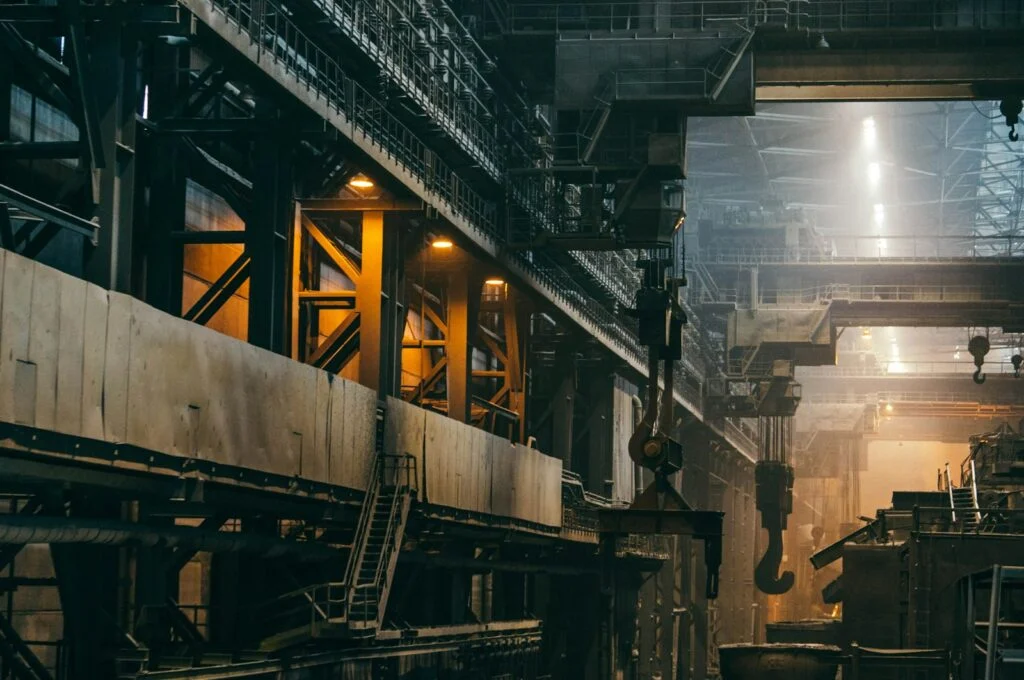
Hindustan Zinc’s board on November 16 approved an investment of about ₹80,000 crore to raise the Vedanta group company’s metal production capacity from 1.1 million tonnes per annum (MTPA) to 2 MTPA over three to five years. The Hindustan Zinc expansion will be funded through internal accruals and debt, the company said in a stock exchange filing.
Called the HZL 2.0 Growth Program, the outlay of roughly $8.5 billion includes the budget for the 250 kilo tonnes per annum (ktpa) integrated zinc smelter at Debari in Rajasthan, which the board cleared in June 2025 for about ₹12,000 crore. It also covers exploration and related infrastructure.
What the Hindustan Zinc expansion includes
The first phase centres on Debari. After an internal review, Hindustan Zinc has raised the planned capacity of that smelter to 265 ktpa within the same approved budget and expects to commission it in the second quarter of 2028-29, according to the company’s investor presentation.
By that financial year, the company aims to reach about 1.4 MTPA of refined metal capacity. The rest of the programme adds a 500 ktpa zinc smelter and a 200 ktpa lead smelter, while an older 88 ktpa zinc cell house at Debari will be retired.
Once the projects are complete, annual smelting capacity is projected at 1.61 million tonnes of zinc and 410,000 tonnes of lead. A new 700-tonne silver refinery would take the company’s silver refining capacity from 800 tonnes to 1,500 tonnes a year.
To feed the smelters, Hindustan Zinc plans to lift ore production capacity from 19.3 million tonnes to 35 million tonnes a year. The largest additions are 5.4 million tonnes at Rajpura Dariba and 4.3 million tonnes at Zawar, with another 3.5 million tonnes at the new Bamnia Kalan project.
Capacity at Rampura Agucha, Kayad and Sindesar Khurd will also be expanded, though the company says these mine-level figures are conceptual and may change as projects are detailed. Separately, it has identified ₹3,823 crore for a tailings reprocessing plant at Rampura Agucha to recover usable material from previously processed mine waste.
Why the zinc capacity push matters
Hindustan Zinc ran at about 92% of its existing metal capacity in 2025-26, leaving little headroom to grow volumes without new plants. The company expects domestic zinc demand to double over the next five to ten years as steel production expands.
Zinc is used mainly to galvanise steel for railways, transmission towers and renewable energy installations. The company has linked the Hindustan Zinc expansion to India’s goal of 300 million tonnes of crude steel capacity by FY2030, a build-out reflected in the strong domestic volumes behind Tata Steel’s second-quarter results. It also expects mined zinc supply to tighten after 2030 as older mines close and ore grades fall.
In 2025-26, about 70% of its refined zinc was sold in India, with the rest exported to Southeast Asia, the Middle East, the US and Europe. For steelmakers and infrastructure contractors, a larger domestic producer means more local supply as demand rises, a theme also visible in the record second-quarter profit at Hindalco.
For investors, the approved Hindustan Zinc capex is well above the ₹40,000–50,000 crore range the company had indicated earlier for its HZL 2.0 plans. The company enters the programme from a position of strength after a record ₹6,412 crore second-quarter profit, but because the spending will be funded partly through debt, cash flows, silver prices and project execution will be watched closely.
Company background and what happens next
Hindustan Zinc, led by chief executive Amarendu Prakash, a former chairman of SAIL, is one of the world’s largest integrated zinc producers and India’s largest producer of zinc and silver. Its mines and smelters are concentrated in Rajasthan.
Arun Misra, who led the company before moving to Vedanta as group chief executive, had said earlier this year that Hindustan Zinc expected to spend around ₹5,000 crore in FY27, with about 80% of that set aside for ongoing projects and the rest for new expansion plans. He had also said silver could contribute about half of the company’s EBITDA going forward.
The next milestones are about execution: building the new smelters, expanding the mines on schedule and commissioning Debari in 2028-29. How quickly the Hindustan Zinc expansion moves from approval to output will shape the company’s volume growth over the next three to five years. More updates from India Inc are available in our business news section.

Chirag Thakur
Editor, Business News · CEO Review Magazine
Chirag Thakur covers business news for CEO Review Magazine, along with markets, technology and industry explainers and the magazine's Top 10 rankings of companies and leaders.