RBI Curbs FX Derivatives, Opens Dollar Window for Oil Firms
RBI tightened forex derivative rules and opened a dollar window for IOC, BPCL and HPCL, lifting the rupee about ₹1 on Monday.
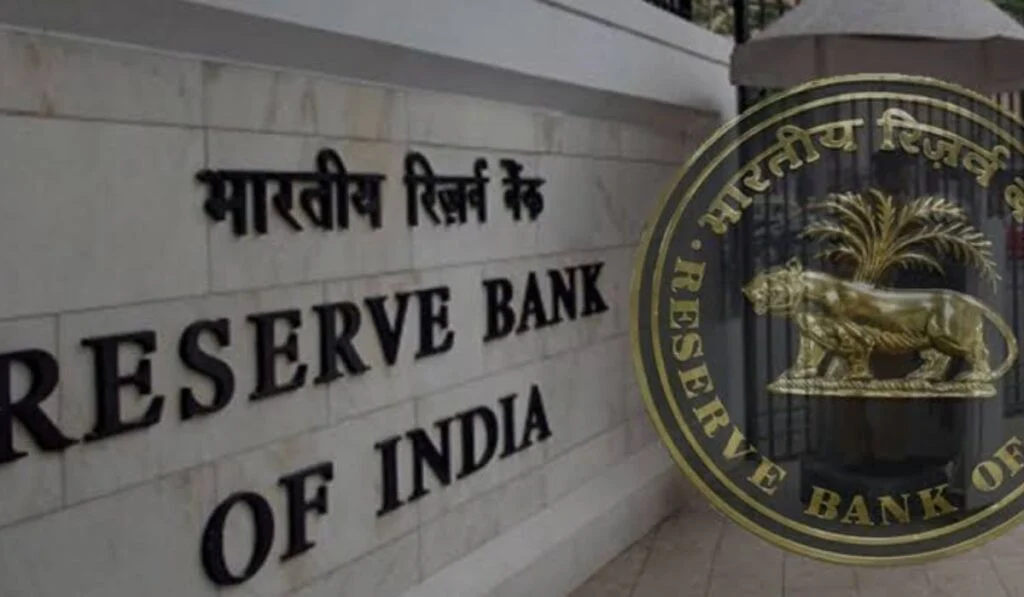
The Reserve Bank of India (RBI) on Saturday tightened rules on rupee-linked foreign exchange derivatives and opened a special facility to supply dollars directly to state-run oil marketing companies, stepping up its defence of a currency that has been trading close to its record low.
The rupee responded on Monday, opening at 95.73 against the US dollar, according to Business Standard, after settling at 96.73 on Friday. The currency touched an all-time low of 96.96 in May and is down nearly 7% so far this year, making it Asia’s weakest performer.
What the RBI has changed
Under the new arrangement, which begins on October 12, the central bank will meet the entire daily dollar requirement of Indian Oil Corporation, Bharat Petroleum Corporation and Hindustan Petroleum Corporation from its foreign exchange reserves. This takes a large and steady source of dollar buying out of the spot market, according to Business Today.
On the derivatives side, authorised dealers can no longer allow clients to rebook rupee forex contracts that are cancelled after the directions were issued. The curb covers both deliverable and non-deliverable contracts, though rollovers at maturity remain permitted.
The RBI has also cut the limit for certain derivative positions taken without an underlying exposure to $5 million from $100 million, a change that extends to exchange-traded rupee currency derivatives. Separately, banks must keep a cash reserve with the RBI equal to 20% of the rupee value of eligible contracts with a notional value above $2 million, under a new Foreign Exchange Risk Reserve.
Users of specified contracts must also give an undertaking that the same exposure has not been hedged with another bank, a step aimed at preventing duplicate hedging.
Why the central bank acted
Pressure on the rupee has come largely from high crude oil prices linked to the conflict in the Middle East and from sustained foreign outflows from Indian equities. Corporate forward dollar purchases hit a record $77 billion in September, up 80% from a year earlier, against forward sales of $41 billion, according to investingLive.
India’s foreign exchange reserves fell by $12.95 billion to $734.60 billion in the week ended October 2, the fourth straight weekly decline. Reserves are now about $51 billion below the record $785.70 billion reached in September. The latest steps follow the RBI’s earlier market interventions and its recent interest rate increase.
Bankers estimate the reserve requirement and rebooking curbs could raise hedging costs for importers by 80 to 150 basis points, depending on how much banks pass on, investingLive reported. Exporters’ hedging is not affected by the measures, according to Reuters.
Mitul Kotecha, head of FX and EM macro strategy for Asia at Barclays, told Reuters that the measures change where and when dollars are bought, but not the underlying demand from oil imports, trade and capital outflows. He expects an orderly depreciation of the rupee to continue.
Whether Monday’s gains hold will depend largely on crude prices and foreign portfolio flows. Markets will also track how quickly forward premiums adjust and how much the oil window draws on the RBI’s reserves in the coming weeks.

Khushboo Singh
Senior Editor, Interviews & Profiles · CEO Review Magazine
Khushboo Singh is a business journalist at CEO Review Magazine, covering leadership strategy, corporate governance, and executive decision-making. With 5 Years of experience writing on C-suite priorities and organizational transformation, Khushboo's work focuses on translating complex business strategy into actionable insights for founders and executives. Expertise: Leadership, Corporate Strategy, Organizational Change